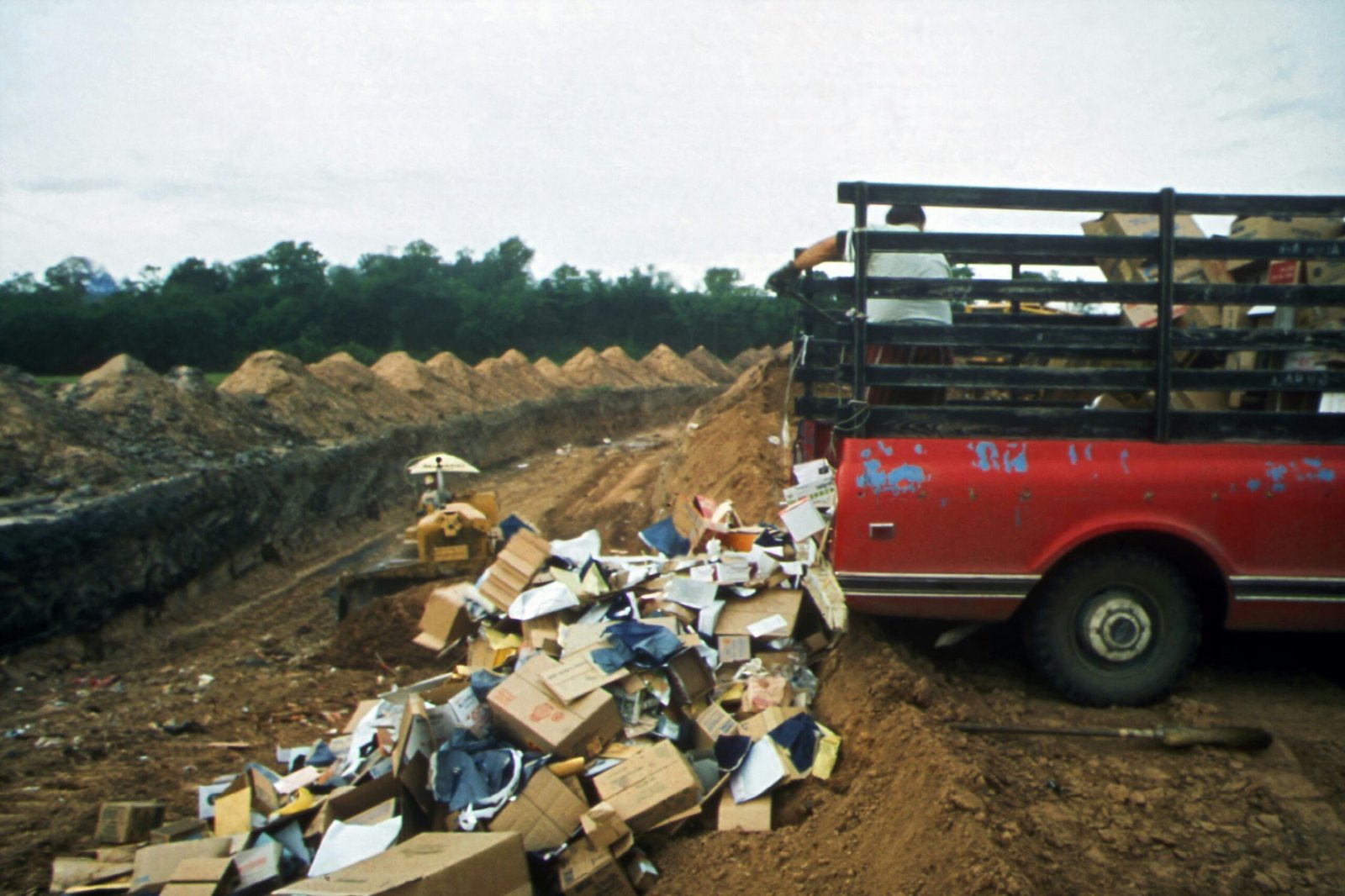
Junk removal prices can vary quite a bit, even for jobs that seem similar. While the amount of junk being removed is a major factor, it’s not the only thing that affects the final cost. Labor, material type, and local disposal fees can all play a role in how pricing is calculated.
Understanding what affects junk removal costs makes it easier to plan ahead, avoid hidden charges, and make informed decisions when hiring a service. This guide breaks down the most common cost factors and explains how they influence pricing.
Load Size and Volume
One of the biggest factors in junk removal pricing is the amount of space your items take up in the truck. Most companies charge based on volume rather than individual items.
How Volume Is Measured
Junk removal trucks are typically divided into sections such as:
- One-quarter load
- One-half load
- Three-quarter load
- Full truckload
The more truck space your items occupy, the higher the cost.
Why Volume Matters
Bulky items like couches, mattresses, and cabinets can fill a truck quickly, even if they are not especially heavy. Reducing volume by breaking down items can help lower costs.
Type of Materials Being Removed
Not all junk is treated the same when it comes to disposal. The type of material being removed can significantly affect pricing.
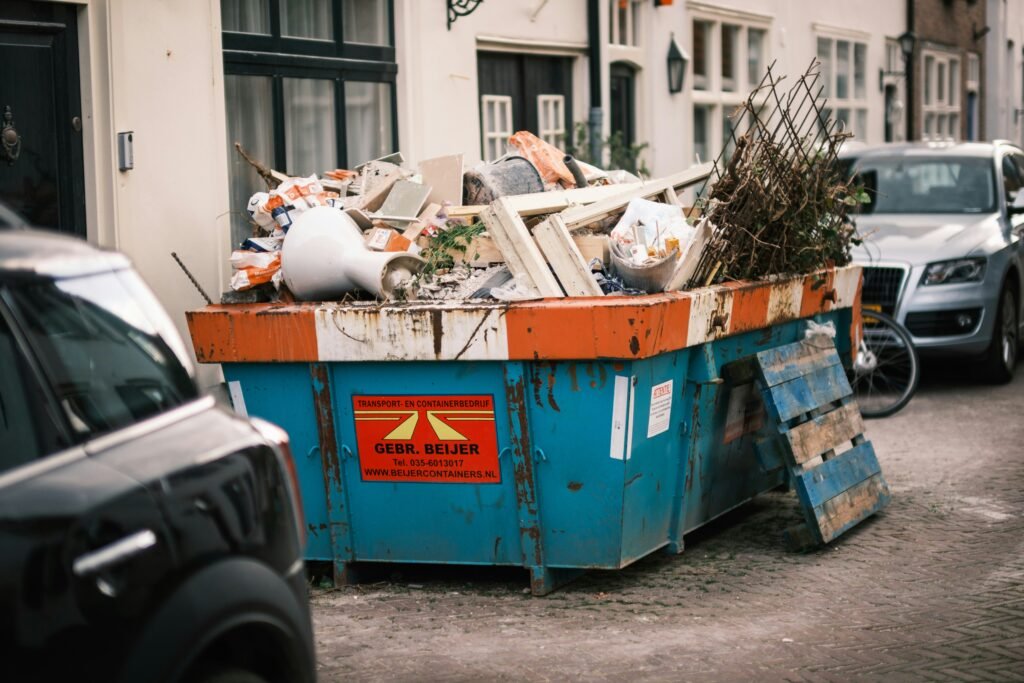
Standard Household Items
Items such as furniture, boxes, and general clutter usually fall into standard pricing categories.
Specialty or Regulated Items
Some materials require special handling or disposal, including:
- Appliances with refrigerants
- Electronics
- Mattresses
- Treated or painted wood
These items may carry additional fees due to disposal regulations.
Weight of the Load
While volume is often the primary pricing factor, weight can also play an important role, especially for heavy materials.
Heavy Materials That Increase Costs
Examples include:
- Concrete
- Dirt and soil
- Roofing shingles
- Bricks
Landfills often charge disposal fees based on weight, so heavier loads can increase overall costs even if the truck is not full.
Labor Requirements
Labor is a major cost component that many customers overlook. The time and effort required to remove items directly affect pricing.
Factors That Increase Labor Costs
Labor costs may rise when:
- Items are located on upper floors or in basements
- Stairs are involved
- Long carrying distances are required
- Items must be disassembled
- Access is limited or obstructed
Jobs that take longer or require additional workers are typically more expensive.
Accessibility and Location of Items
How easy it is for workers to access your junk plays a big role in pricing.
Easy Access
Items located in garages, driveways, or curbside areas are usually quicker and cheaper to remove.
Difficult Access
Items in attics, crawl spaces, or behind obstacles often take longer to remove, increasing labor costs.
Local Disposal and Landfill Fees
Disposal costs vary by region and can have a significant impact on pricing.
Urban vs Rural Areas
Urban areas often have higher landfill and recycling fees, which can lead to higher junk removal prices.
Recycling Requirements
Some regions require certain items to be recycled rather than landfilled, which may increase disposal costs.
Timing and Scheduling
When you schedule junk removal can also affect the price.
Same-Day or Emergency Service
Last-minute or same-day service may come with higher rates due to scheduling challenges.
Off-Peak Scheduling
Booking during non-peak times may help reduce costs, depending on the company.
Common Hidden Fees in Junk Removal
While many companies are transparent, hidden fees can sometimes catch customers off guard.
Heavy Item Fees
Extremely heavy items may come with additional charges.
Stair or Access Fees
Extra labor for stairs or long carries may increase the final bill.
Specialty Disposal Fees
Electronics, appliances, or hazardous materials may have separate disposal costs.
Asking about these fees upfront can help avoid surprises.
How to Avoid Unexpected Junk Removal Charges
There are several ways to reduce the risk of unexpected fees.
Get a Written Estimate
A written estimate helps clarify what’s included in the price.
Be Specific About Items
Providing detailed information about item types and quantities helps ensure accurate pricing.
Ask What’s Included
Confirm whether labor, disposal, and cleanup are part of the quoted price.
Why Junk Removal Prices Vary Between Companies
Different companies may charge different prices for the same job due to:
- Truck size differences
- Labor rates
- Disposal partnerships
- Pricing models
Comparing quotes based on what’s included is more important than comparing prices alone.
Planning Ahead Can Lower Costs
Preparation can help reduce junk removal expenses.
Tips to Save Money
- Group items together
- Break down furniture
- Separate recyclable materials
- Combine multiple projects into one visit
- Schedule in advance
Small steps can make a noticeable difference.
When Higher Junk Removal Costs Are Worth It
Higher prices may be justified when:
- Jobs involve heavy or hazardous materials
- Labor requirements are complex
- Proper recycling is prioritized
- Time savings are important
In these cases, paying more upfront can prevent problems later.
Final Thoughts on What Affects Junk Removal Costs
Junk removal costs are influenced by several factors, including load size, material type, weight, labor, accessibility, and local disposal fees. Understanding how these elements affect pricing makes it easier to budget accurately and choose a service that fits your needs.
By asking the right questions and preparing ahead of time, you can avoid hidden charges and help ensure a smooth, transparent junk removal experience from start to finish.