
When people start looking into junk removal services, one of the first concerns that comes to mind is how quickly the cost can add up. That’s because many junk removal companies price their services based on how much space your items take up in their truck, rather than charging for each individual item.
Understanding how per-load pricing works can help homeowners, renters, landlords, and business owners budget more accurately and avoid unexpected surprises on the day of service. This guide explains what counts as a full load, how pricing is calculated, and what factors can increase or reduce the final cost.
What Does “Per Load” Pricing Mean in Junk Removal?
In junk removal, a “load” refers to the portion of a junk removal truck that your items fill. Most companies use large box trucks, similar in size to moving trucks, and divide the available space into fractions.
Instead of charging separately for every piece of furniture or pile of debris, companies estimate how much of the truck will be used and charge accordingly. This makes pricing simpler for mixed loads that include multiple item types.
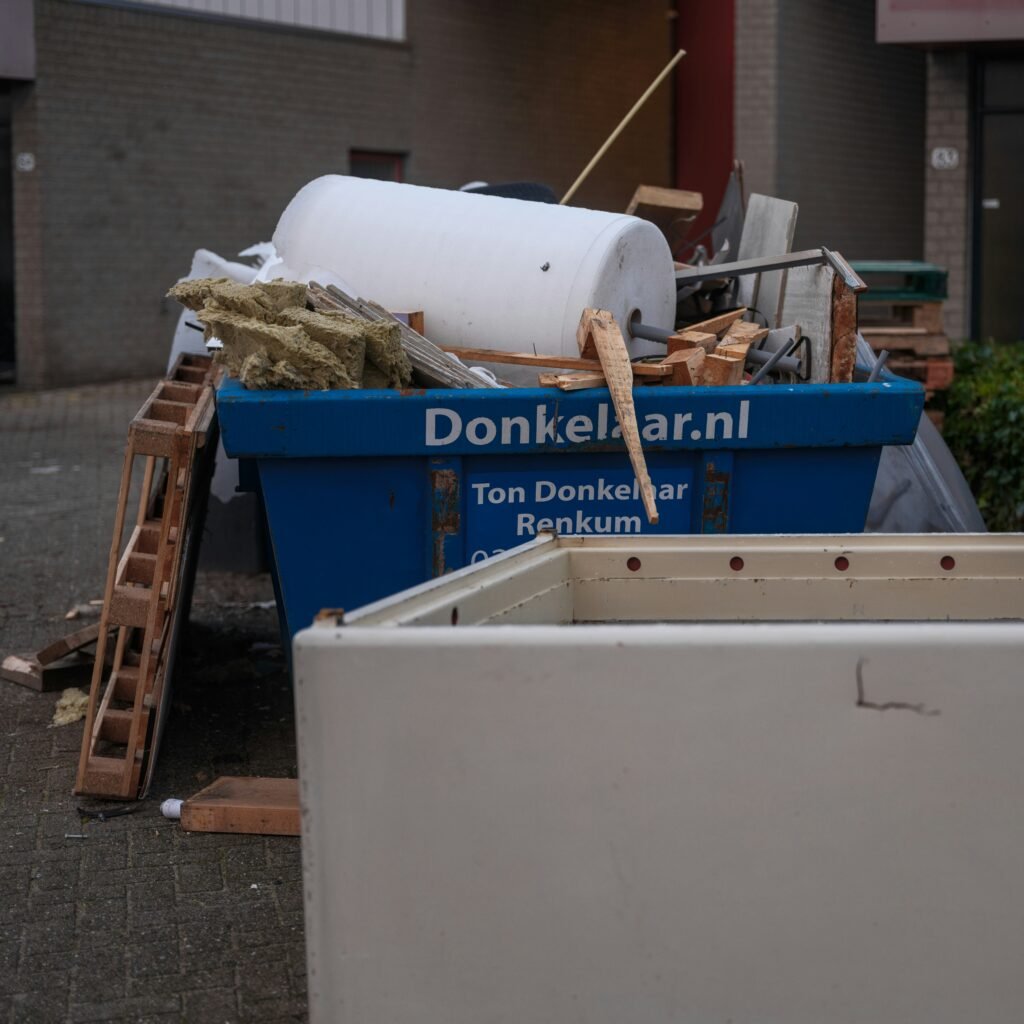
Common load sizes include:
- One-quarter (¼) truckload
- One-half (½) truckload
- Three-quarters (¾) truckload
- Full truckload
The more space your junk takes up, the higher the cost.
Average Junk Removal Cost Per Load
While prices vary depending on your location and the company you hire, national averages provide a helpful reference point.
Typical junk removal pricing per load looks like this:
- ¼ Truckload: $150 to $250
- ½ Truckload: $250 to $400
- ¾ Truckload: $400 to $550
- Full Truckload: $550 to $800 or more
These prices often include labor, transportation, and basic disposal fees. However, certain items or conditions may increase the total cost.
How Junk Removal Companies Measure a Load
Junk removal companies primarily measure loads by volume, not just by weight. Volume refers to how much physical space your items take up inside the truck.
For example:
- A bulky couch may take up significant space but not weigh much
- Construction debris may weigh more but occupy less space
Some companies also consider weight limits due to landfill restrictions, especially when dealing with heavy materials like concrete or roofing shingles.
What Items Typically Count Toward Load Size?
Almost any non-hazardous item can count toward a junk removal load. Common examples include:
- Sofas, chairs, and mattresses
- Tables, desks, and cabinets
- Appliances such as washers and refrigerators
- Boxes of household clutter
- Yard waste and branches
- Remodeling debris
Large or awkwardly shaped items can quickly fill a truck, even if there are only a few pieces.
Factors That Affect Junk Removal Cost Per Load
While load size is the main pricing factor, several other elements influence the final cost.
Labor Requirements
If items are difficult to access, require disassembly, or must be carried long distances, labor costs may increase. Stairs, tight hallways, and elevators can also add time to the job.
Type of Materials
Certain materials cost more to dispose of. Items like electronics, appliances with refrigerants, and treated wood may come with additional disposal fees.
Location and Disposal Fees
Landfill and recycling fees vary by region. Urban areas with higher disposal costs often have higher junk removal prices.
Time and Urgency
Same-day or emergency service may cost more than scheduling in advance.
Is Per-Load Pricing Better Than Item-Based Pricing?
Per-load pricing is often more efficient for medium to large cleanouts where multiple item types are involved. It simplifies estimates and allows customers to combine items without worrying about individual pricing.
Item-based pricing may be better for single pieces, such as removing one appliance or mattress.
How to Estimate Your Junk Removal Load Size
To estimate your load size before booking:
- Group items together in one area
- Measure large furniture
- Take photos for quotes
- Ask companies how they calculate load space
Many companies offer on-site estimates to confirm pricing before work begins.
Ways to Reduce Junk Removal Cost Per Load
If you want to lower your junk removal costs, consider these strategies:
- Break down furniture to save space
- Separate recyclable materials
- Remove non-junk items beforehand
- Combine multiple cleanup projects into one load
- Schedule during off-peak times
Reducing the amount of space your items occupy can significantly lower your total cost.
What’s Usually Included in Per-Load Pricing?
Most reputable junk removal services include:
- Labor for loading
- Truck and transportation
- Standard disposal fees
- Basic cleanup of the area
Always confirm what’s included so there are no misunderstandings.
When a Full Truckload Makes Sense
A full truckload is typically needed for:
- Whole-home cleanouts
- Estate cleanouts
- Large renovation projects
- Commercial property cleanups
In these cases, per-load pricing provides clear expectations and avoids item-by-item confusion.
Final Thoughts on Junk Removal Cost Per Load
Junk removal cost per load depends on how much space your items take up, the type of materials being removed, and the amount of labor required. Understanding this pricing structure makes it easier to plan ahead, compare quotes accurately, and avoid unexpected fees.
Before hiring a service, it’s always a good idea to ask how loads are calculated, what’s included in the price, and whether any additional charges may apply. With the right information, per-load junk removal becomes a simple and transparent way to clear unwanted items efficiently.