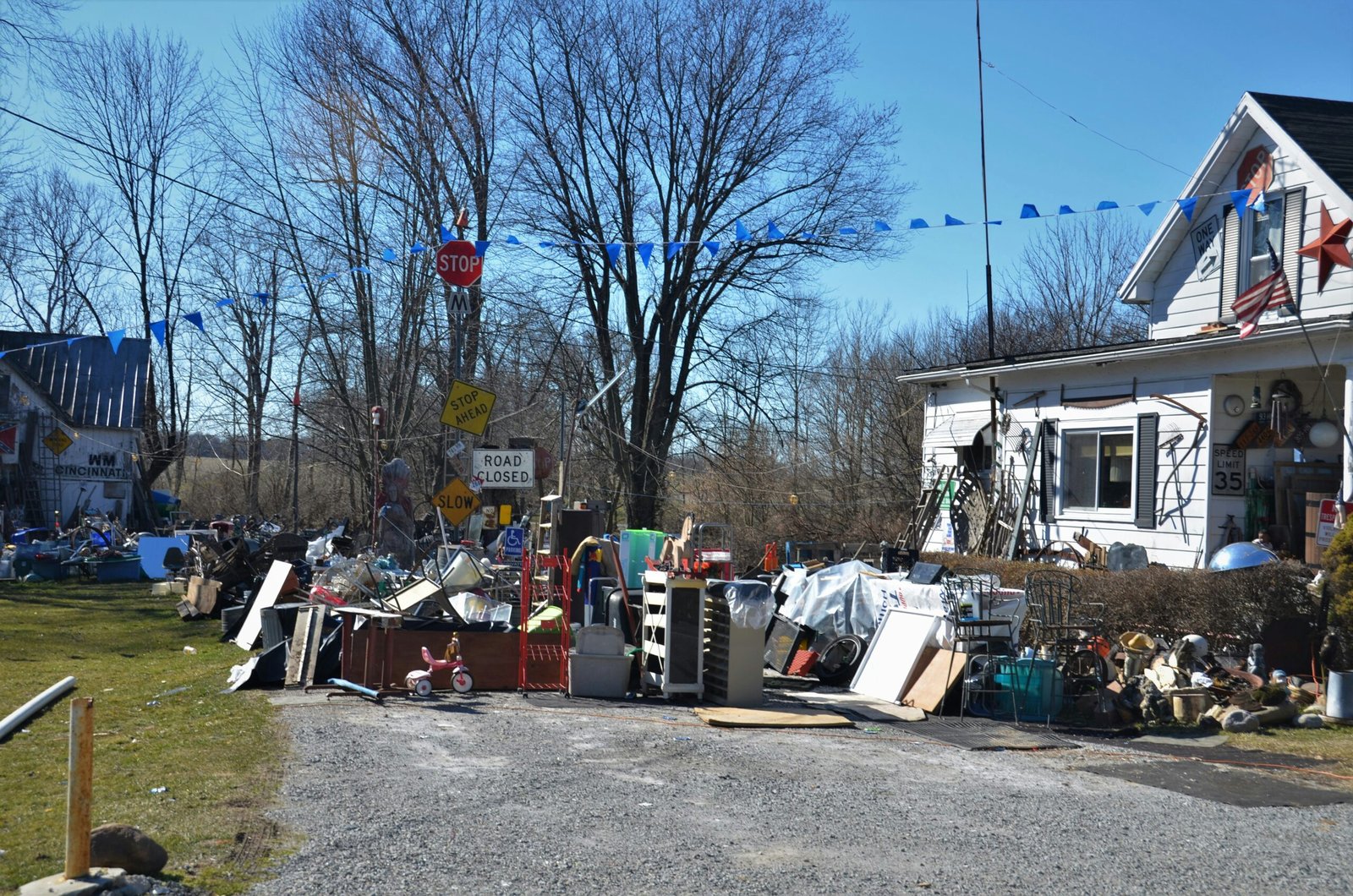
Junk removal prices can vary quite a bit, even for jobs that seem similar. That’s because most junk removal companies don’t base their pricing on a single factor. Instead, they look at things like how much space your items take up, how heavy the materials are, and how much labor is involved.
Understanding how junk removal pricing works makes it easier to plan ahead, compare quotes more accurately, and avoid unexpected charges. This guide breaks down the main factors that influence pricing and explains how companies typically calculate their costs.
The Three Core Factors Behind Junk Removal Pricing
Most junk removal companies base their prices on three primary factors:
- Volume (truck space used)
- Weight of materials
- Labor required to complete the job
While volume is usually the most visible factor, weight and labor often play an equally important role.
Volume-Based Pricing Explained
Volume-based pricing refers to how much space your items take up inside a junk removal truck. This is the most common pricing model used by residential and commercial junk removal companies.

What Volume Means in Junk Removal
Volume is measured by the portion of the truck that gets filled. Companies typically divide their truck into sections, such as:
- One-quarter load
- One-half load
- Three-quarter load
- Full truckload
Larger or bulkier items can quickly increase the volume, even if they are relatively lightweight.
Why Volume Pricing Is Popular
Volume-based pricing works well because most junk removal jobs include a mix of items. Instead of pricing each item separately, companies can give a clear estimate based on how much space everything takes up together.
Weight-Based Pricing and Why It Matters
Although volume is important, weight also plays a role in junk removal pricing, especially for heavy materials.
Items That Increase Weight
Heavy items that may impact pricing include:
- Concrete and bricks
- Roofing shingles
- Dirt and soil
- Large appliances
- Construction debris
Landfills often charge disposal fees based on weight, which means heavier loads can cost more to dump.
Weight Limits and Surcharges
Even if a truck isn’t full by volume, a company may reach weight limits. In these cases, additional fees may apply to cover higher disposal costs.
Labor Costs in Junk Removal Pricing
Labor is one of the most overlooked factors in junk removal pricing. The amount of time and effort required to complete a job directly affects the final cost.
Factors That Increase Labor Time
Labor costs may increase due to:
- Stairs or multi-level buildings
- Long carrying distances
- Tight hallways or narrow doorways
- Disassembly of furniture
- Large or awkward items
Jobs that take longer or require more workers typically cost more.
How Accessibility Affects Pricing
Accessibility plays a major role in labor costs. Items that are easy to access, such as those placed in a driveway or garage, usually cost less to remove.
Items located in basements, attics, or upper floors often require more time and effort, which can raise the price.
Additional Factors That Can Affect Junk Removal Costs
Beyond volume, weight, and labor, several other variables can influence pricing.
Type of Materials
Certain materials require special handling or disposal, such as:
- Electronics
- Appliances with refrigerants
- Mattresses
- Treated wood
These items may come with extra disposal fees.
Location and Disposal Fees
Disposal costs vary by region. Urban areas often have higher landfill and recycling fees, which can increase overall pricing.
Timing and Scheduling
Same-day or last-minute service may cost more than scheduling in advance. Off-peak scheduling can sometimes reduce costs.
Why Junk Removal Quotes Can Vary Between Companies
Two companies may quote different prices for the same job because:
- Truck sizes differ
- Disposal facilities charge different fees
- Labor rates vary
- Pricing models are not identical
This is why it’s important to understand what’s included in each quote.
How to Get an Accurate Junk Removal Quote
To receive the most accurate pricing:
- Be clear about item types
- Estimate volume honestly
- Mention heavy materials
- Ask about labor-related fees
- Provide photos when possible
Clear communication reduces the chance of unexpected charges.
Volume vs Item-Based Pricing
Some companies use item-based pricing instead of volume-based pricing. This can work well for single items but may be less efficient for larger cleanouts.
Volume-based pricing is generally better for mixed loads, while item-based pricing may be ideal for one or two specific items.
Ways to Lower Your Junk Removal Cost
You can often reduce junk removal costs by:
- Consolidating items into one area
- Breaking down furniture
- Separating recyclable materials
- Scheduling during non-peak times
- Combining multiple projects into one visit
Small changes can significantly impact pricing.
What’s Typically Included in Junk Removal Pricing
Most reputable companies include:
- Labor
- Transportation
- Disposal or recycling
- Basic cleanup
Always ask what is included to avoid confusion.
Final Thoughts on How Junk Removal Pricing Works
Junk removal pricing involves more than just the amount of junk being removed. Volume, weight, and labor all play a role in determining the final cost. Understanding these factors makes it easier to estimate expenses, compare quotes fairly, and choose a service that fits your needs.
Knowing how pricing works gives you more control over the process and helps ensure a smooth, transparent junk removal experience from start to finish.